
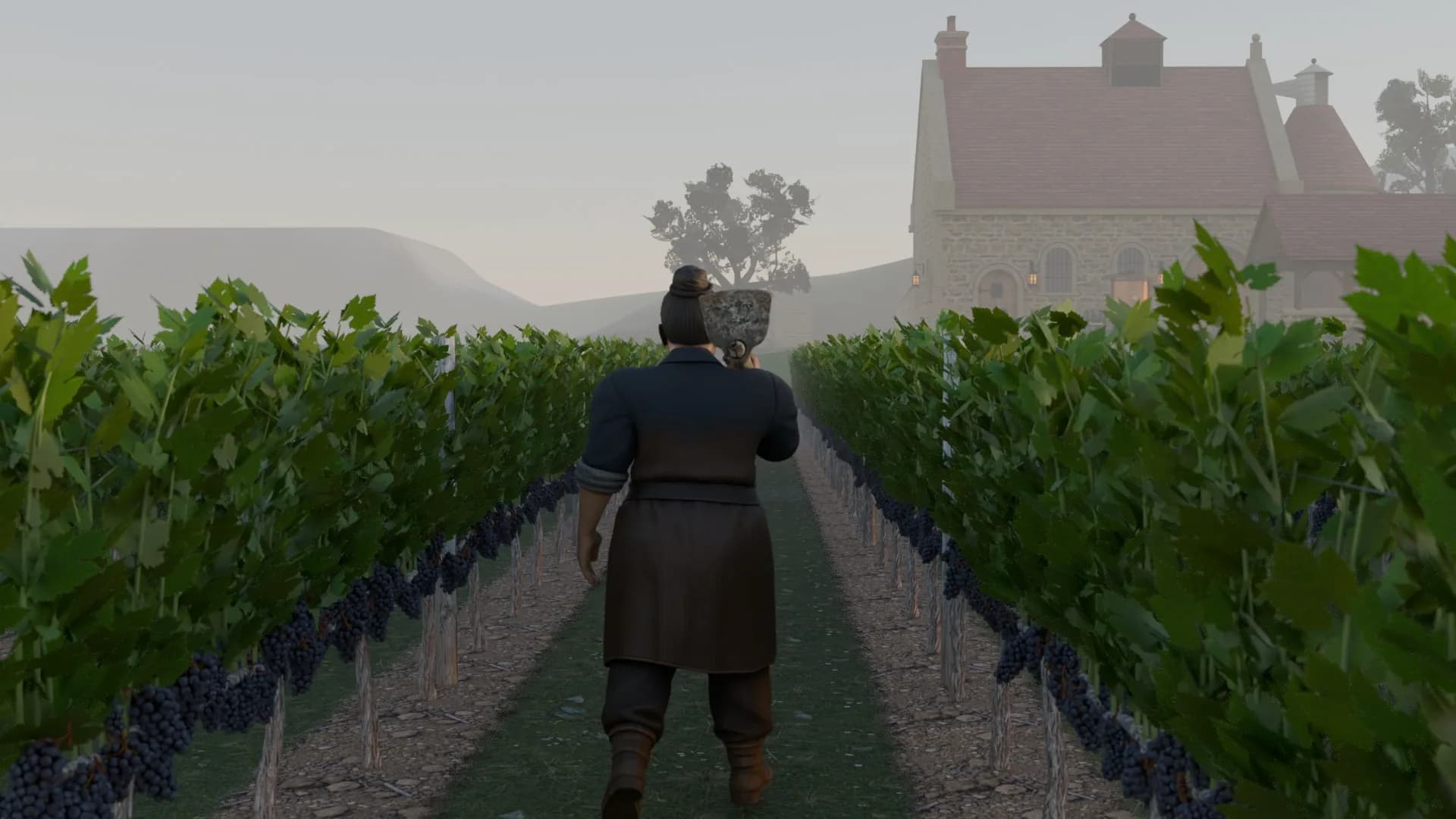
Vine to bottle, with your own hands
Every vintage starts in the soil.Winemaking in Second Life
Grow the vines, test and tend the soil, graft a grape nobody has grown, then press it, ferment it, age it in oak and open the bottle with friends.
Second Life is a free online world that people build themselves. SL Colonies Roleplay is a survival, farming and crafting game that runs inside it.
- Vineyard sizes
- 3
- Genes in every vine
- 10
- On the trellis
- 7 days
Grapes and hops on the same trellis
Two copies of each, one from each parent
From seed to harvest, in real time
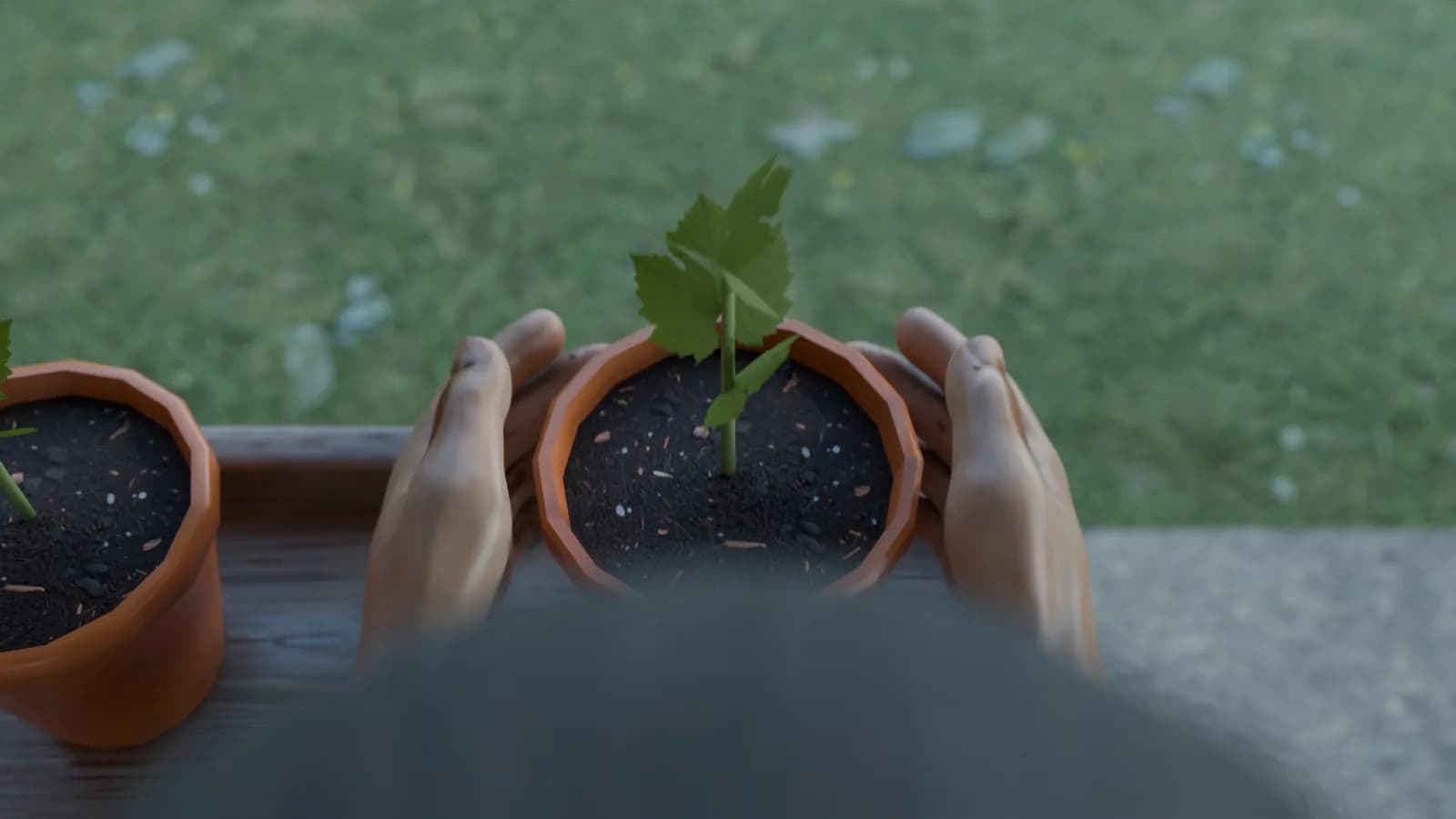
The one thing no other game lets you do
Breed a grape variety nobody has grown.
Every vine carries two copies of ten genes. A seedling takes one from each parent, and now and then something turns up that no vine in the game carried before. What you find is yours alone: it is recorded for you, not for a wiki.
A year in the vineyard
- Hoe
- Seed
- Water
- A week on the trellis
- Harvest
- Press
- Ferment
- Age
- Bottle
- Drink
Grapes and hops on one trellis
Your vineyard in Second Life
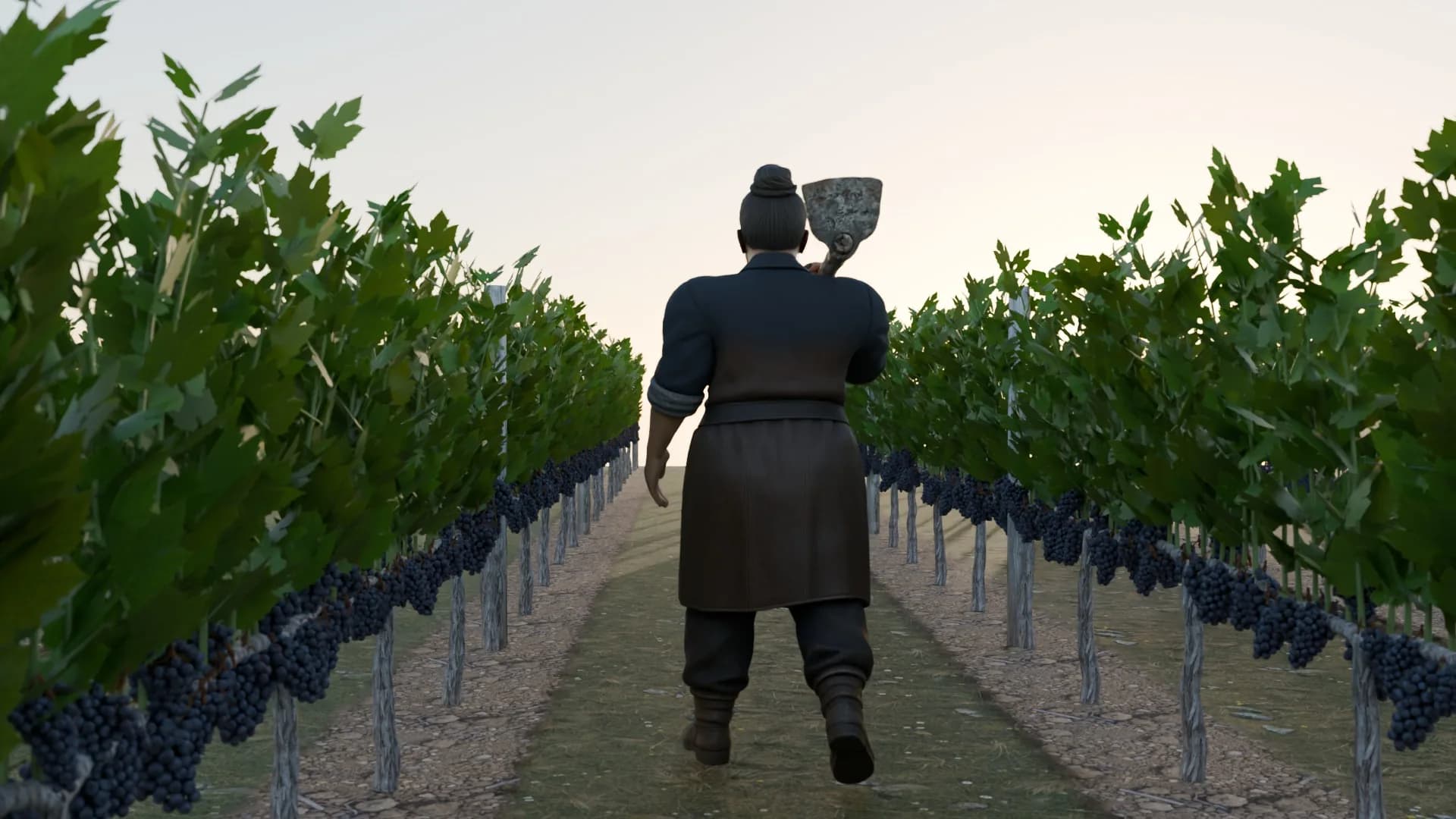
Three sizes, all on the same week. You work it with your own hands: a hoe to break the ground, a seed bag, a clay jar of water, and a small basket at harvest. No sickle through the grapes. Every stage trains you as a Brewer.
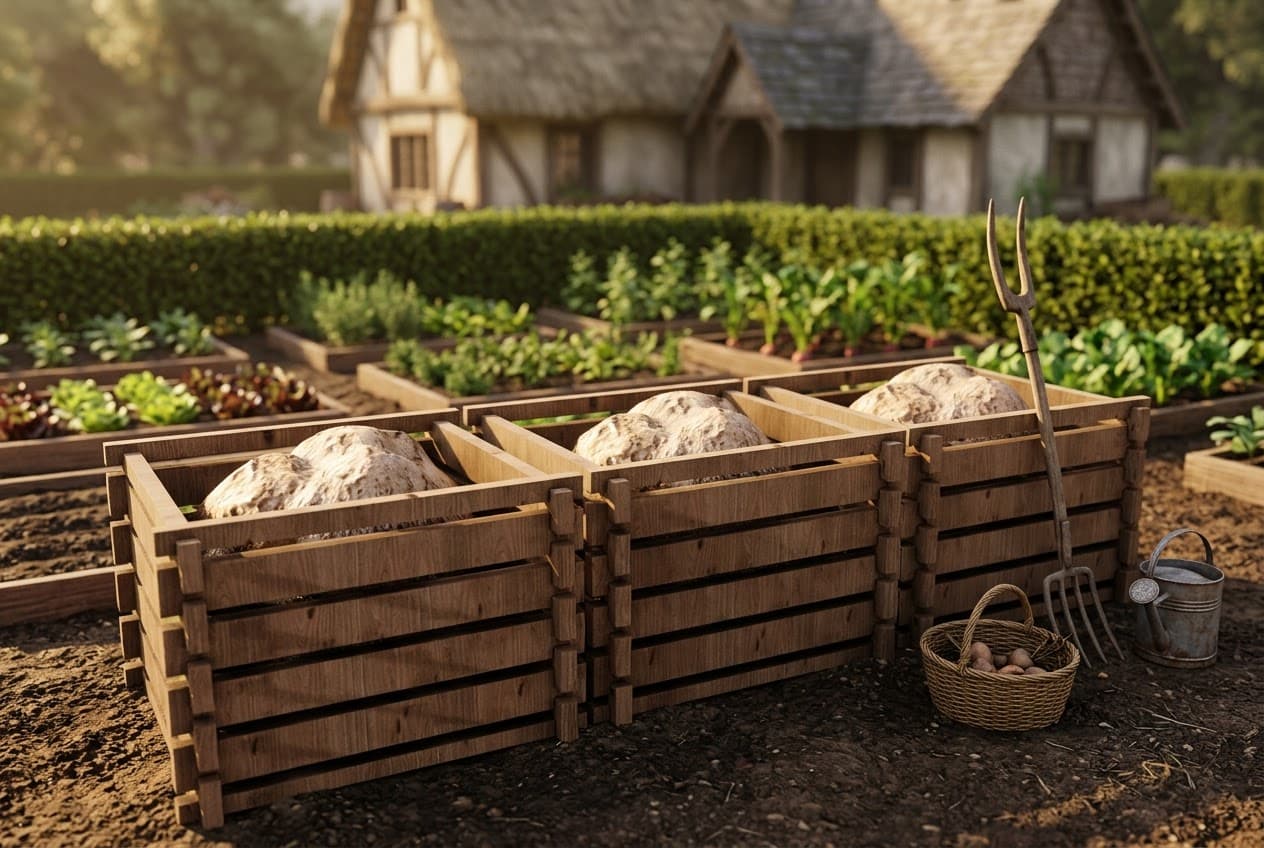
Living soil
Soil that answers to pH
Every vineyard has soil that drifts and dries. Test it with a soil kit and you, and only you, read its exact pH and moisture; anyone walking past just sees “Thirsty” or “Sour soil”.
Sweeten sour ground with lime, made from Chalk Pit chalk at the Compost Bin; sulphur brings it the other way, and reed laid as mulch slows the drying. Well-kept soil grows better grapes.
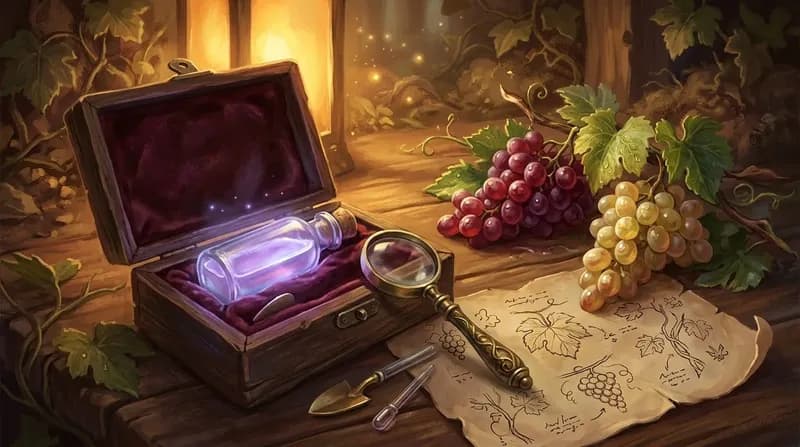
What a vine hides
Assays and the vine journal
A vine assay kit reveals, one find at a time, what a vine carries, and it reveals it to you alone. Your fields, your lines and everything you have found are kept on this website, in your cellar and your vine journal.
Cuttings and the Grafting Table
Graft it. Cross it. Keep the one nobody else has.
The best harvest of the year gives you something back: a cutting. Take it to the Grafting Table.
Graft
Join a cutting onto rootstock. The same grapes, on new roots: a new line of your own.
Cross
Brush pollen from one cutting to another. Seedlings grow in the table's pots for a week, each with what it took from its parents. Keep the one you want.
Root
Or turn a cutting into seed, and plant it straight back in the vineyard.
Founded in your name
A line of your own
The line you keep is founded in your name and named by the game from what it shows, numbered as it goes. Plant its seed and your vineyard grows a grape that started with you.
Grades
The grade follows the drink, all the way to the bottle.
Grapes come plain, Fine or Choice, and the care you gave the soil is what moves them up. The press keeps the grade. In the Fermentor a brew's grade is the average of everything that went in, so only Choice in makes Choice out. From there it carries into the still, the barrel and the bottle.
A variety's genes carry through too: to its grapes, its juice and its wine. A graded drink restores more when you drink it.
Press, ferment, age, bottle
From the vine to the glass
The Wine Press
Grapes to juice
Any grape becomes juice, keeping its grade and its sugar. Blend varieties, or press other fruit: apple juice is the start of a Spicy Cider.
The Fermentor
Juice to wine
You design the brew in the Fermentor's own app, and the bench ferments it; the needle on its front shows it working.
Oak, and time
Into the barrel, into the bottle
Aging matters. In the oak barrels wood chips steer what the years do, and they will age drinks you did not make yourself. The Distillery makes spirits, and the Bottling Station finishes the job.
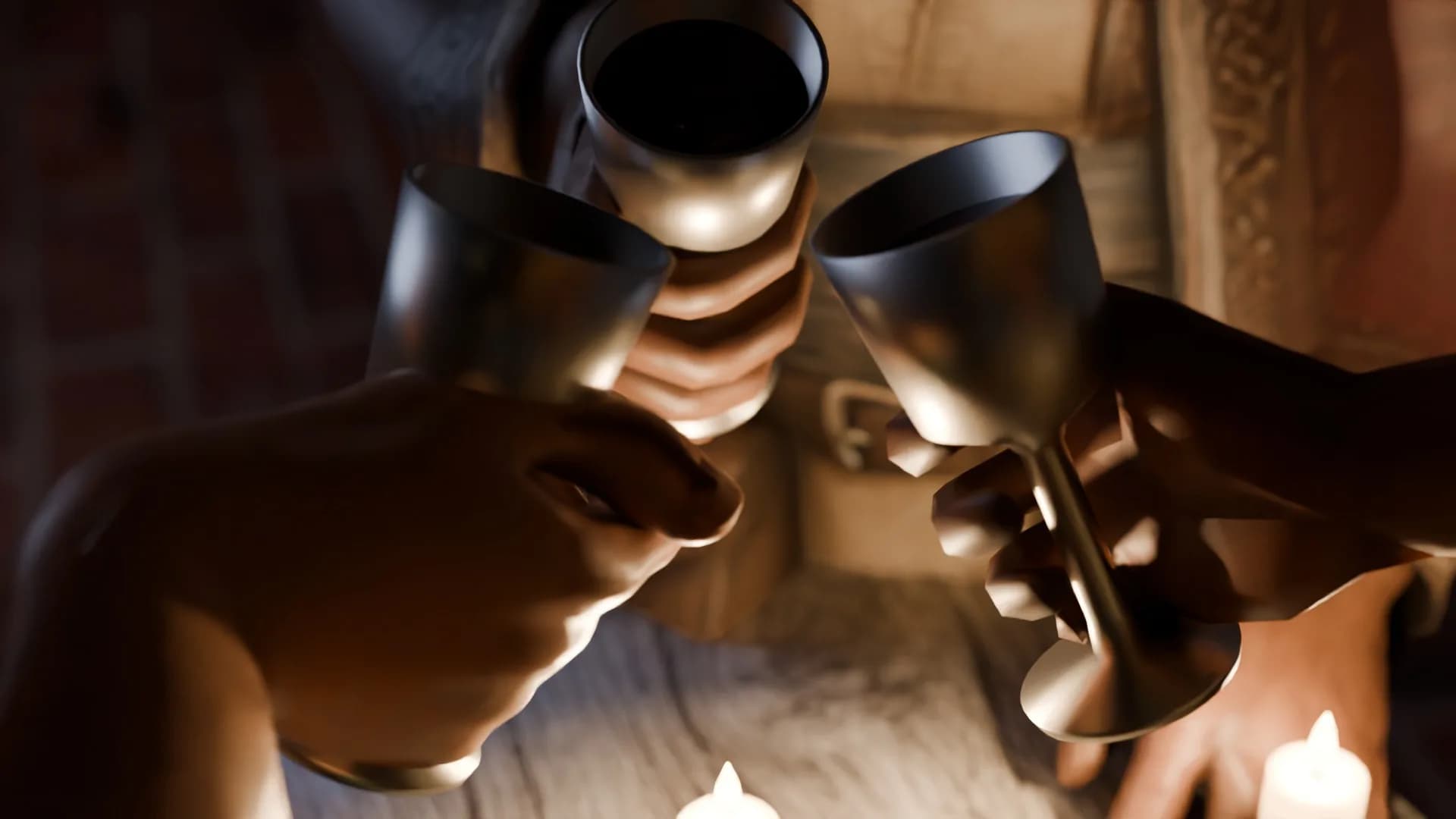
Then you open it
Alone, if you must. With friends, if you're wise.
Drink it, share it at the table, or list it at the market for other players to buy.
Brewing beer in Second Life
Hops from your vineyard, grain from the fields
Hops grow on the same trellis as your grapes. Grain from a farmer's field and your own hops go to the Mash Tun, then to the Fermentor: an Apple Agave Beer is one place to start. The brewing side of the craft is the same ladder: every step trains you as a Brewer.
What you need
Start with a vineyard. Add the rest as you go.
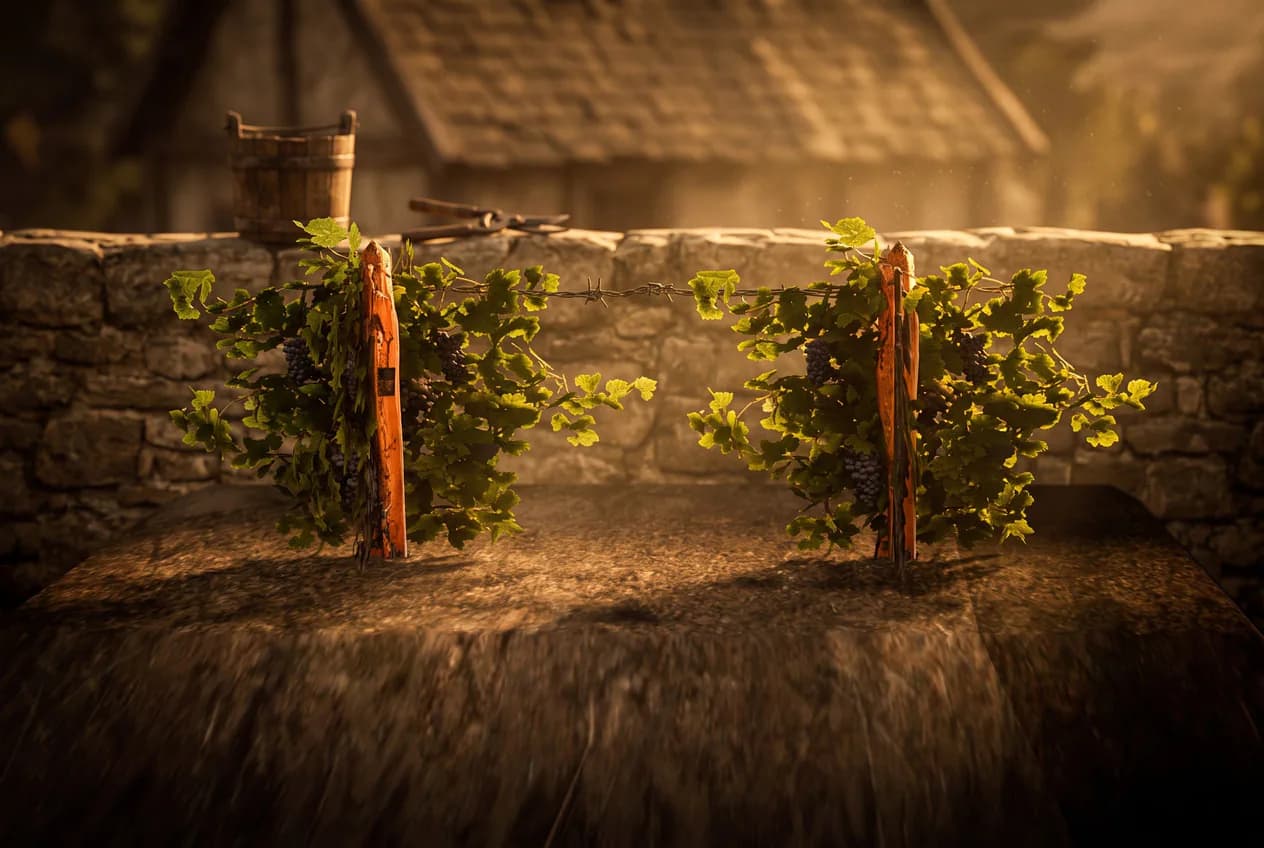
Small Vineyard
Grapes and hops on the trellis
L$100
Citizens L$80
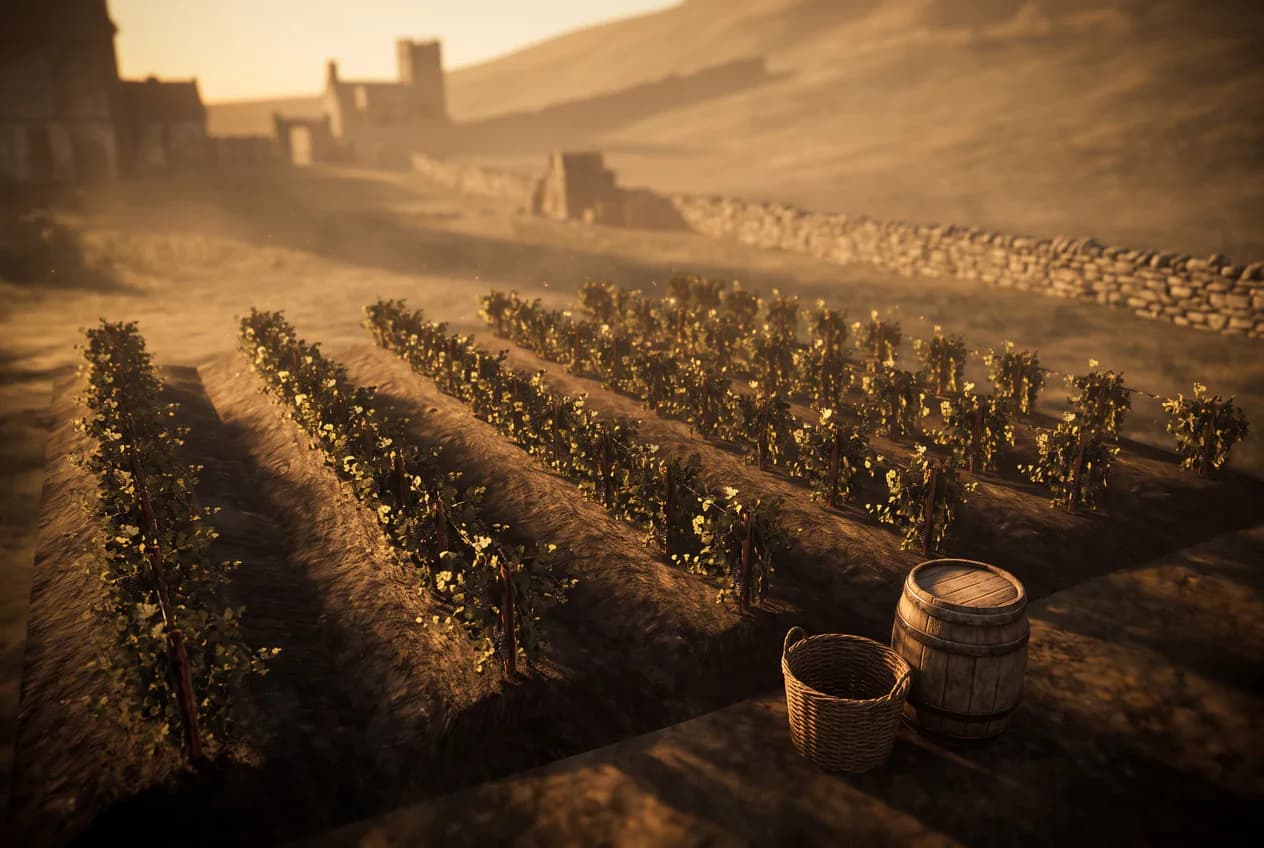
Medium Vineyard
Same week, more rows
L$200
Citizens L$160
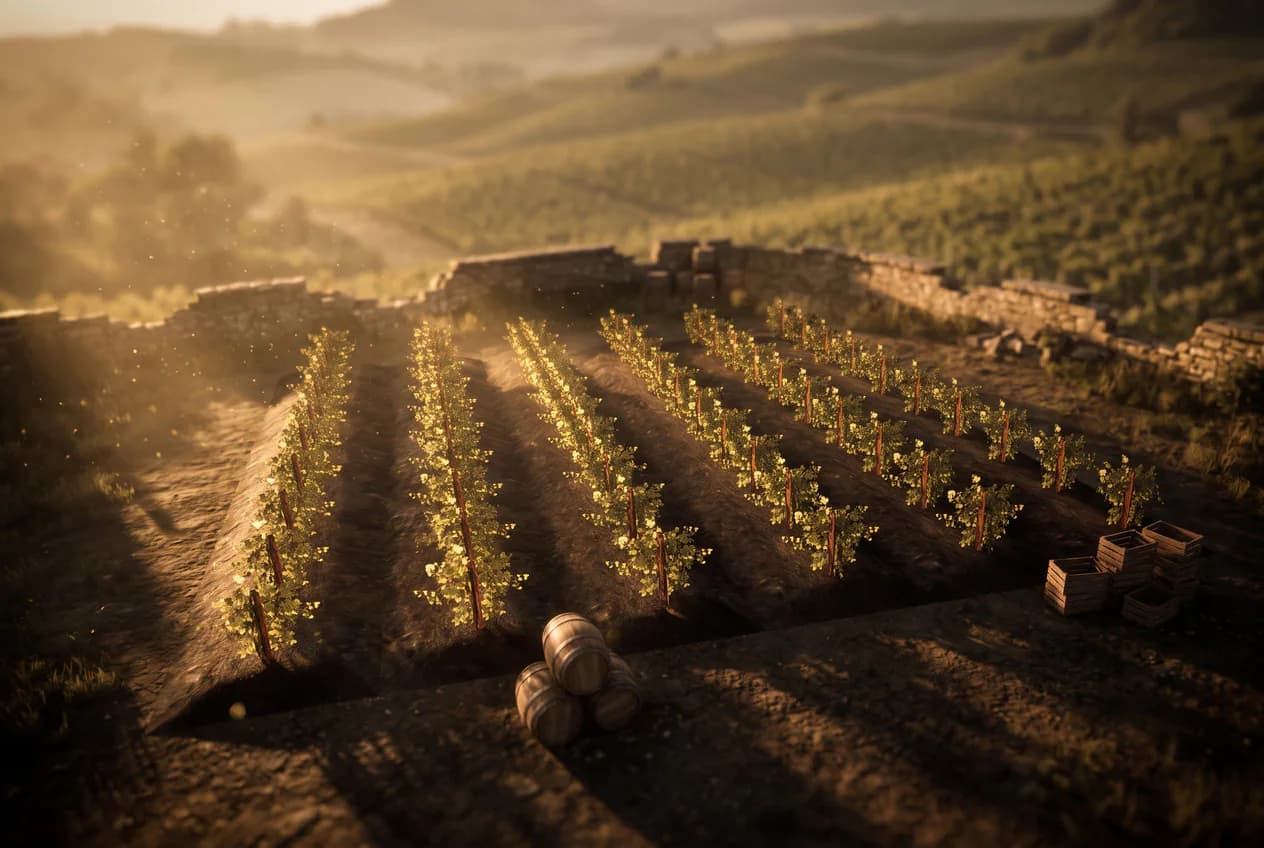
Large Vineyard
Same week, the most rows
L$400
Citizens L$320
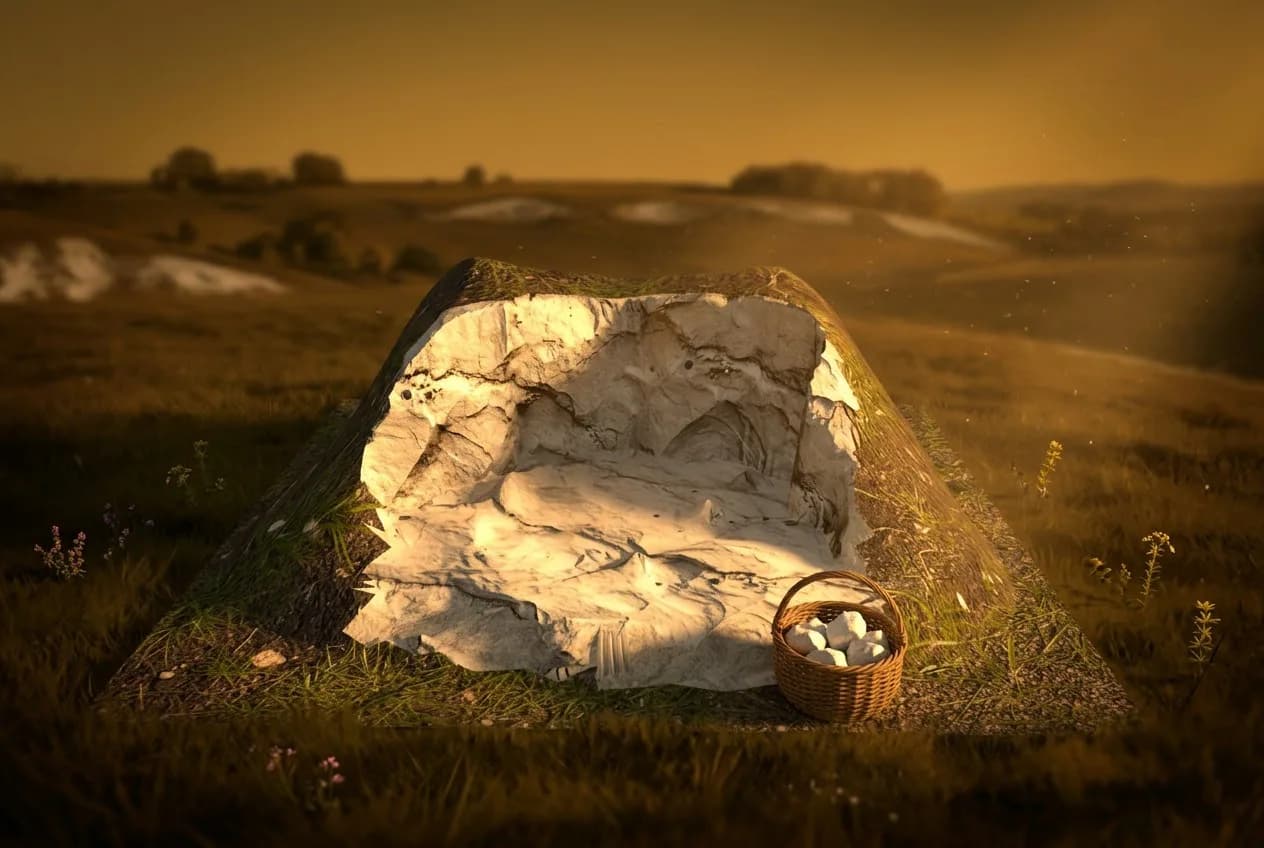
Chalk Pit
Chalk, for lime to sweeten sour soil
L$200
Citizens L$160
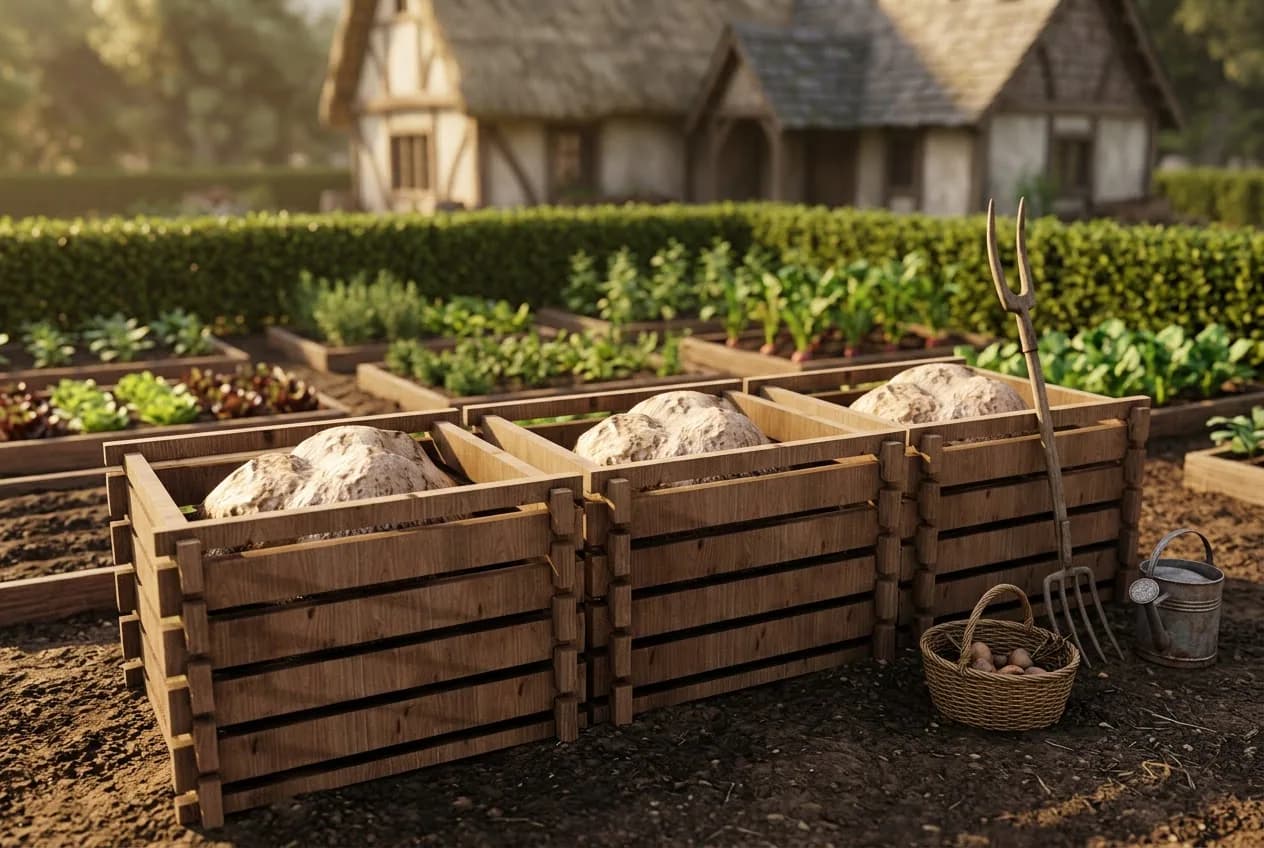
Compost Bin
Lime, sulphur and fertiliser for the soil
L$400
Citizens L$320
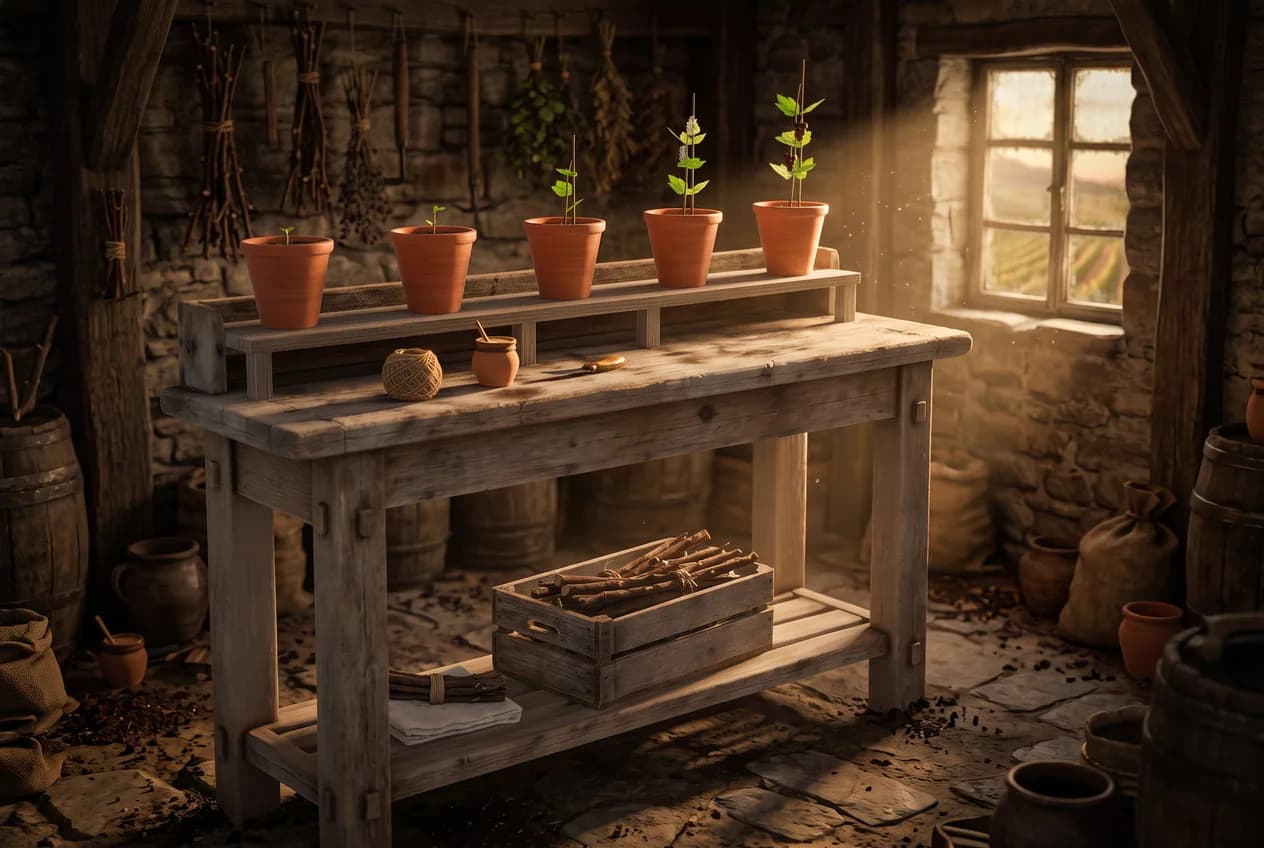
Grafting Table
Graft and cross your cuttings
L$600
Citizens L$480
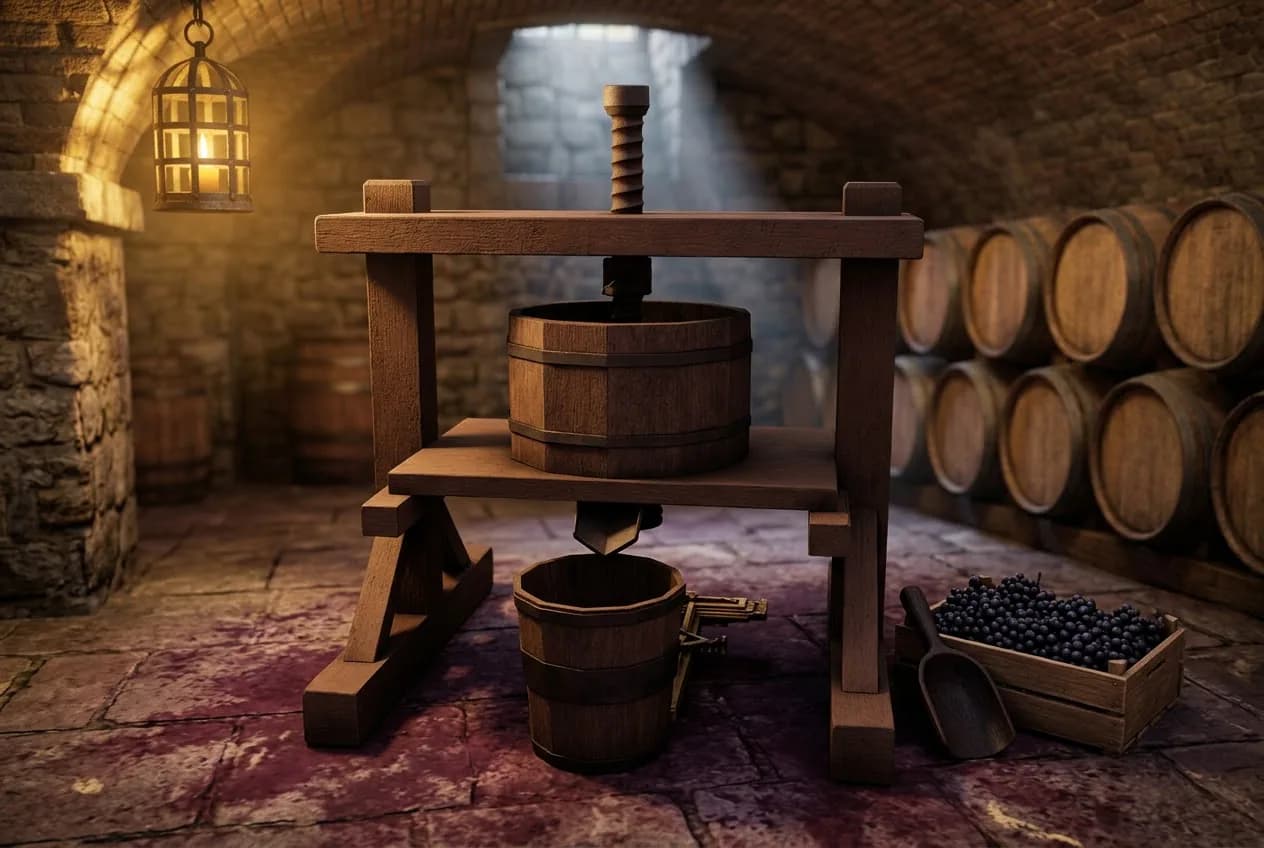
Wine Press
Grapes and fruit to juice
L$600
Citizens L$480
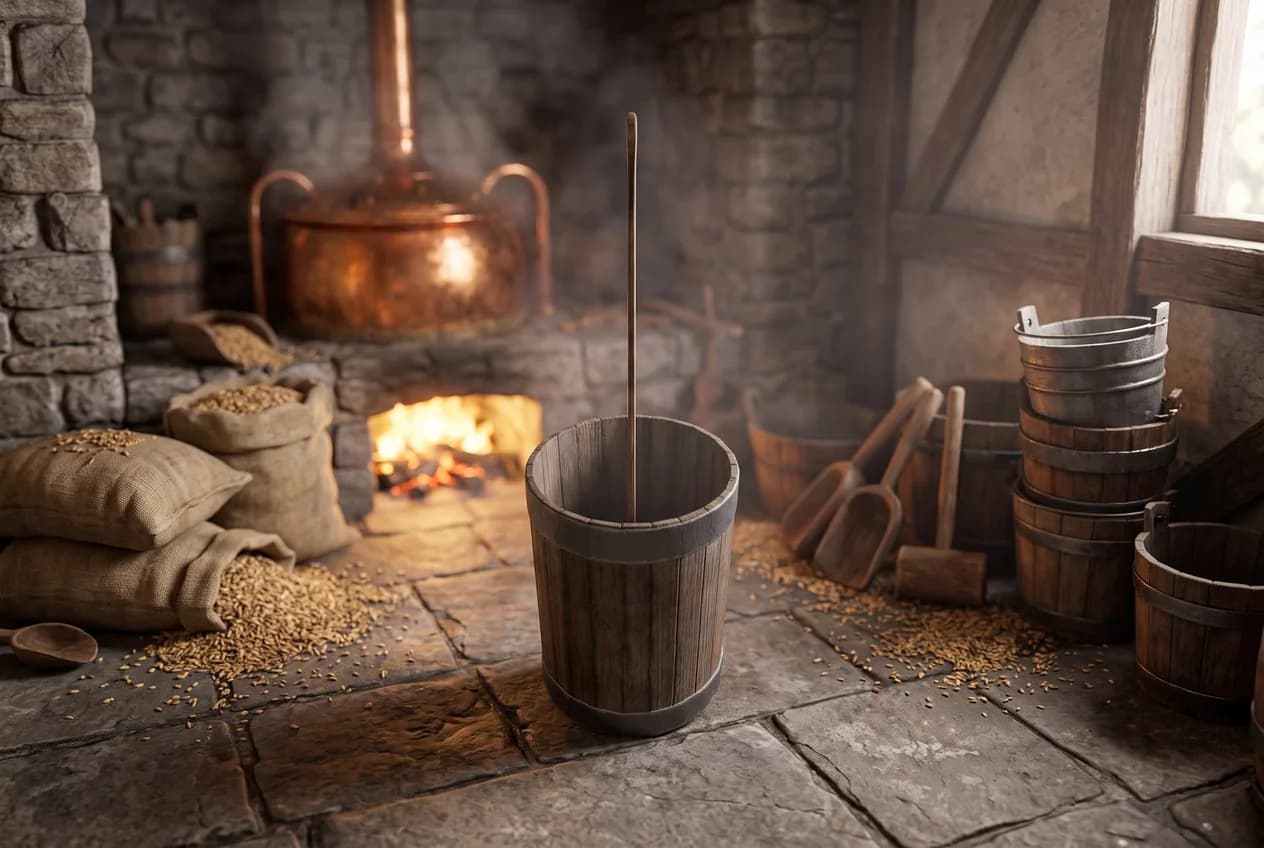
Mash Tun
Grain and hops to wort
L$400
Citizens L$320
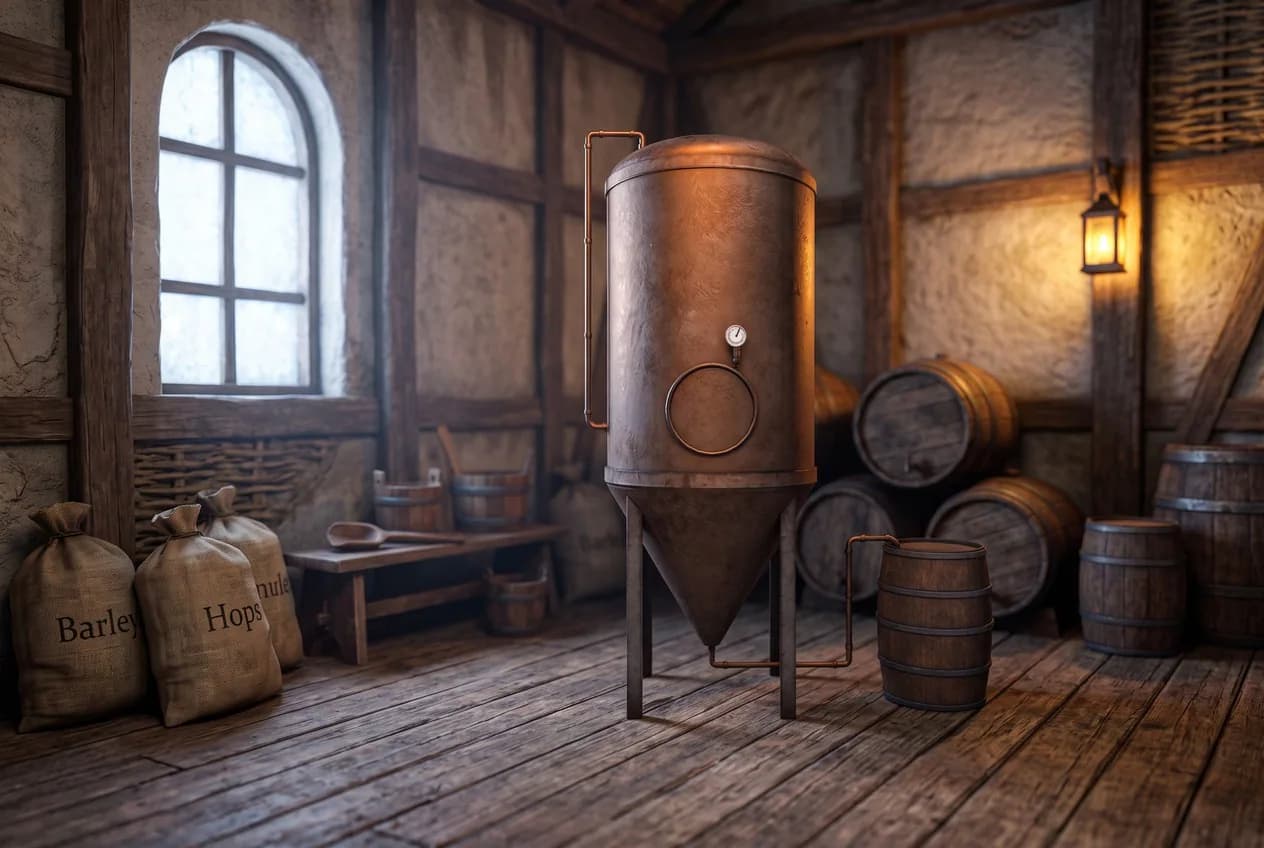
Fermentor
Juice and wort to wine and beer
L$600
Citizens L$480
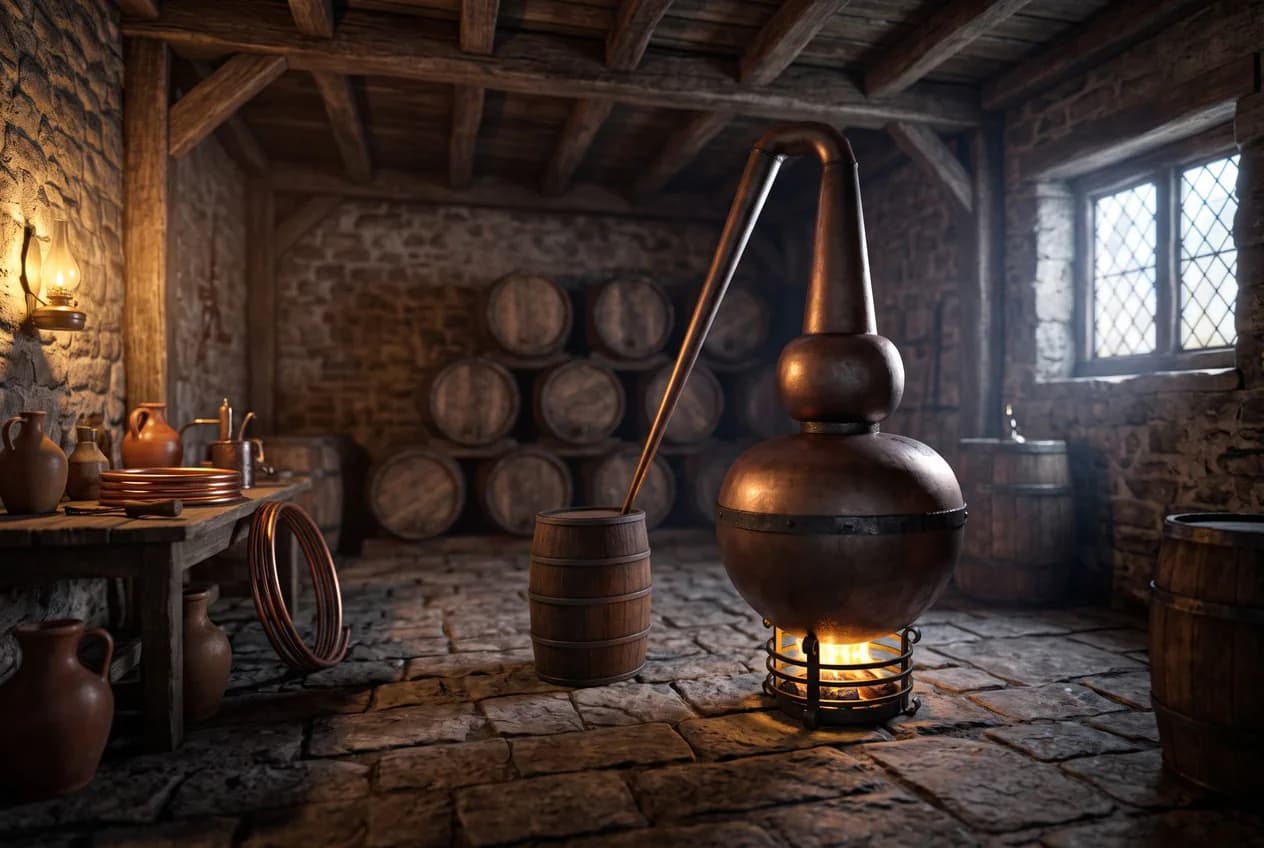
Distiller
Spirits
L$600
Citizens L$480
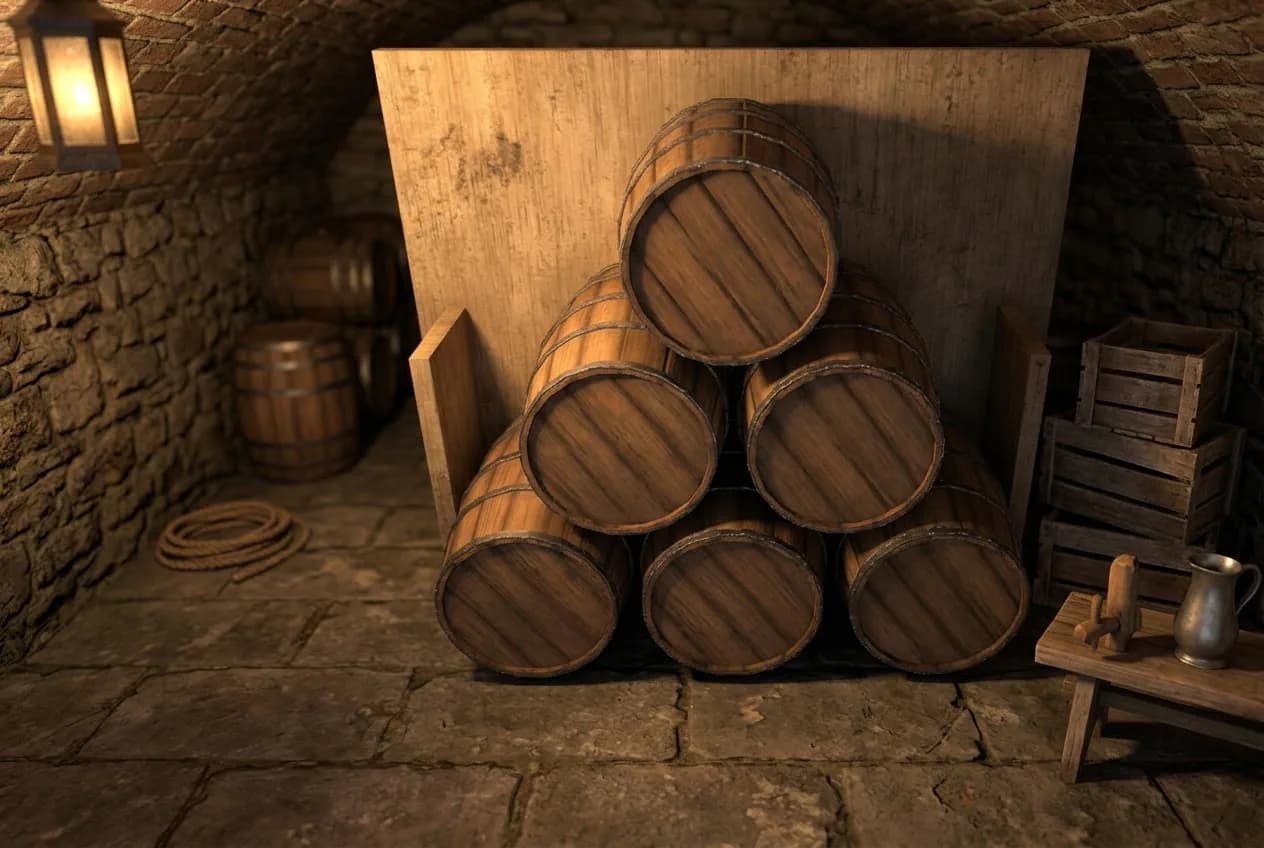
Aging Barrels (Oak)
Oak, time and wood chips
L$400
Citizens L$320
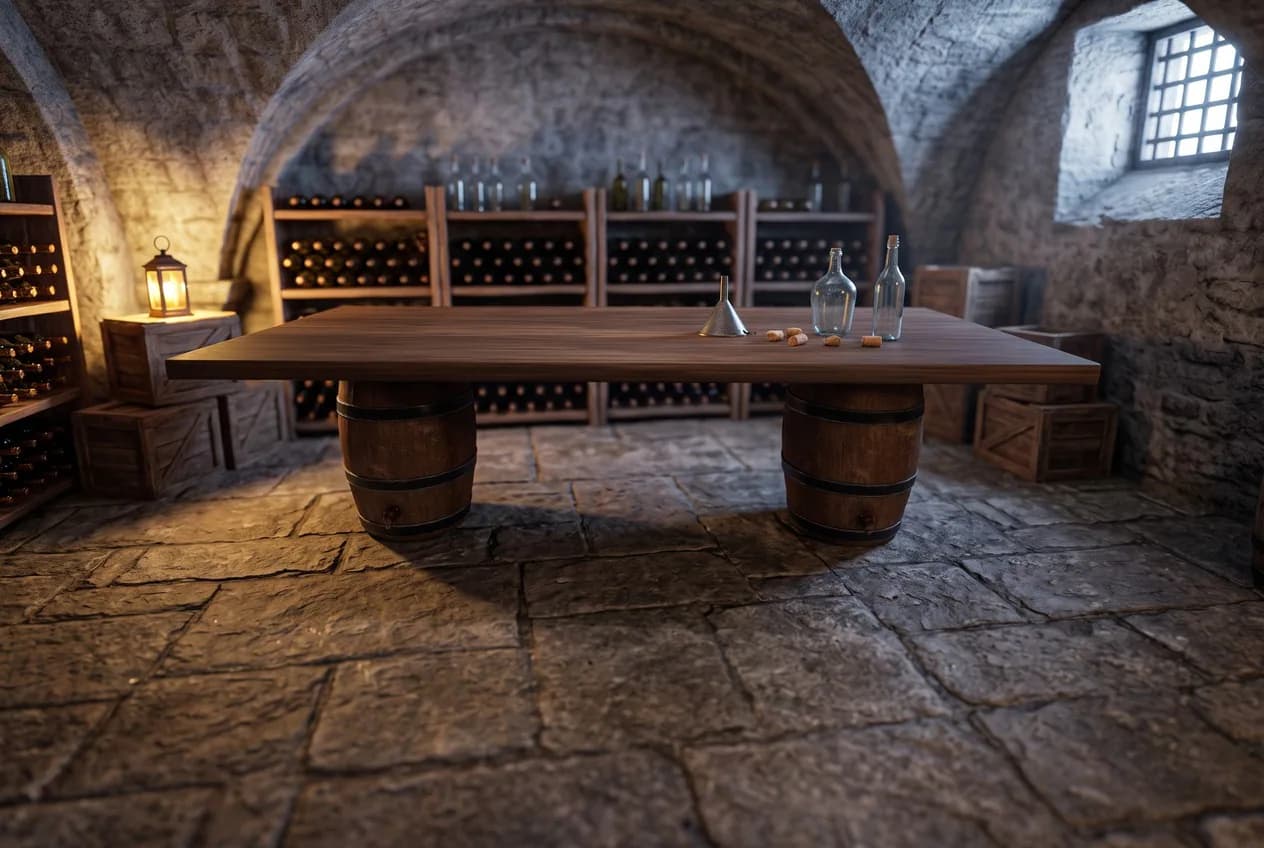
Bottling Station
Into the bottle
L$600
Citizens L$480
Winemaking: your questions
Do I need to know anything about winemaking?
No. Every step has its own tool and its own station, and each station has a video. If you do know wine, the steps are the real ones: rootstock and scion, soil that answers to pH, fermentation, then oak.
What does it cost to begin?
Second Life is free, and so are our HUD and meter. A small vineyard is the first thing you buy; the shop shows its price, and the stations further down the chain are bought as you reach them.
How long does a vintage take?
A week in the vineyard, in real time. Pressing, fermenting and aging each take their own time, and that depends on what you are making.
What does soil pH do?
Each vineyard has living soil that drifts and dries. A soil kit tells you its pH and moisture, privately; lime sweetens sour soil, sulphur sours it, and reed slows the drying. Well-kept soil is what gives a better grade of grape.
How does grafting work?
A top-grade harvest gives you back a cutting. At the Grafting Table you graft it onto rootstock, or cross two cuttings and grow the seedlings for a week, and keep the one you want. It founds a new line in your name.
Can I sell my wine?
Yes: list it at the market, where other players can buy it.
Can I make beer and other drinks?
Yes. Hops grow on the same trellis as your grapes. Grain from a farmer's field and your own hops go to the Mash Tun, then the Fermentor. The Wine Press takes other fruit too, and the Distillery makes spirits.
I have played Hundred Days or Viticulture. How is this different?
This is winemaking you do together, live, in a shared world: your vineyard sits in Second Life beside other people's, and the wine you make is drunk, traded and shared by real players.
Winemaking
“Yours could start tomorrow.”
A small vineyard, a hoe and a week. Everything else follows from the soil.